
 +1 (888) 925-9557
Ritalin 20mg
Buy Online with Priority Mail Service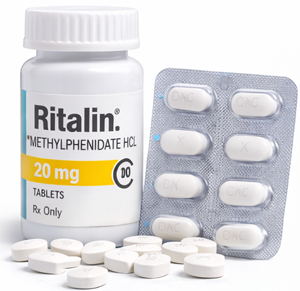
| Top High Quality Service |
| We Ship with Tracking Number |
| We make Discreet Service |
| Accepting |
| 30 days Full Guaranteed |
| Contact@Pill2Day.com |
| +1 (888) 925-9557 in business hours |
| 20mg$779 x 360 | |
| 20mg$444 x 180 | |
| 20mg$279 x 90 | |
| 20mg$239 x 60 |
Ritalin (Methylphenidate) for ADHD: Patient Guide to Safe and Effective Treatment
What Is Ritalin?
Ritalin is the brand name for methylphenidate, one of the most widely studied and prescribed ADHD medications in the world. It has been used clinically for ADHD since the 1960s and has an extensive clinical trial database documenting its efficacy and safety in children, adolescents, and adults.
Methylphenidate is available in multiple formulations — immediate-release, extended-release, and long-acting — enabling precise matching of pharmacological coverage to individual patient needs. Patients who have received a valid ADHD diagnosis and prescription can buy Ritalin legally through licensed, DEA-compliant pharmacies as part of a comprehensive ADHD management plan.
Mechanism of Action
Methylphenidate works by blocking the reuptake of dopamine and norepinephrine at the presynaptic terminal, increasing the availability of these neurotransmitters in the synaptic cleft. This mechanism is subtly different from amphetamines like Adderall, which both block reuptake and actively promote neurotransmitter release.
The preferential action on dopamine transporters in the striatum and prefrontal cortex enhances dopaminergic neurotransmission in circuits critical for attention, working memory, and executive control. The net effect is improvement in the core ADHD symptoms of inattention, impulsivity, and, in children, hyperactivity.
This mechanism of action profile — reuptake inhibition without active release — may account for some differences in clinical response and side effect profiles between methylphenidate and amphetamine formulations, making Ritalin the preferred first-line option for some patients and prescribers.
Available Formulations and Dosing
Methylphenidate's therapeutic versatility is reflected in its wide range of available formulations:
- Ritalin (immediate-release, 5mg, 10mg, 20mg): Duration 3-5 hours, dosed 2-3 times daily
- Ritalin LA (long-acting, 10mg-40mg): Duration 6-8 hours, once daily
- Concerta (osmotic release, 18mg-72mg): Duration 10-12 hours, once daily
- Metadate CD, Ritalin SR: Intermediate-duration options
- Daytrana (transdermal patch): Continuous delivery during wear time
For adults with ADHD initiating Ritalin therapy, a common starting dose is 5-10mg twice or three times daily (immediate-release) or 18-36mg once daily (Concerta), with gradual titration based on response and tolerability.
Maximum daily doses are generally 60mg for adults, though some patients may require higher doses under close physician supervision.
Comparing Ritalin and Adderall
Ritalin and Adderall are both highly effective ADHD treatments, and individual response varies considerably. Key differences include:
Mechanism: Methylphenidate is a reuptake inhibitor; amphetamine is both a reuptake inhibitor and releaser. This distinction may affect efficacy and side effect profiles in individual patients.
Duration: Extended-release amphetamine formulations (Adderall XR) generally have slightly longer effective coverage than equivalent methylphenidate formulations, though long-acting methylphenidate products like Concerta offer competitive duration.
Side Effect Profile: Some patients tolerate one medication better than the other. Appetite suppression may be slightly more pronounced with amphetamine products; others find methylphenidate's side effect profile more manageable.
Genetic Factors: CYP2D6 genotype influences methylphenidate metabolism. Patients who do not respond to one stimulant class often benefit from trialing the other under physician guidance.
Patients who buy Ritalin online or at a local pharmacy for ongoing ADHD treatment should maintain their relationship with their prescribing physician for regular response monitoring and any necessary treatment adjustments.
Long-Term Treatment and Monitoring
Long-term methylphenidate therapy requires structured monitoring protocols:
Height and Weight: Stimulants can reduce appetite and affect growth in children. Regular measurements allow early identification of growth concerns, which can be managed through dose timing adjustments or planned medication holidays.
Cardiovascular: Blood pressure and heart rate should be monitored at each clinical visit. Methylphenidate is generally contraindicated in patients with significant cardiovascular disease.
Academic and Occupational Functioning: Treatment goals should be operationalized in functional terms. Regular assessment of how well the patient is meeting work, school, and relationship goals guides treatment optimization.
Mental Health: Comorbid anxiety, depression, and mood dysregulation are common in ADHD and may require separate treatment or influence medication selection.
For patients who buy Ritalin online through certified pharmacies, pharmacist monitoring provides an additional layer of safety oversight complementing the clinical care of the prescribing physician.