
 +1 (888) 925-9557
Percocet 10/625mg
Buy Online with Priority Mail Service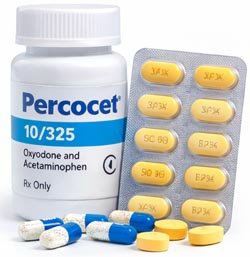
| Top High Quality Service |
| We Ship with Tracking Number |
| We make Discreet Service |
| Accepting |
| 30 days Full Guaranteed |
| Contact@Pill2Day.com |
| +1 (888) 925-9557 in business hours |
| 10/625mg$704 x 360 | |
| 10/625mg$604 x 180 | |
| 10/625mg$459 x 120 | |
| 10/625mg$409 x 90 |
Percocet (Oxycodone/Acetaminophen): Complete Patient Safety and Clinical Guide
What Is Percocet?
Percocet is a combination analgesic containing oxycodone (a Schedule II opioid) and acetaminophen (a non-opioid analgesic). The combination leverages two distinct analgesic mechanisms — opioid receptor agonism and central/peripheral acetaminophen activity — to provide synergistic pain relief that allows lower opioid doses than would be required with oxycodone alone.
Percocet is available in several strengths: 2.5/325mg, 5/325mg, 7.5/325mg, and 10/325mg (oxycodone/acetaminophen). It is prescribed for moderate to moderately severe pain in patients for whom less potent analgesics have proven inadequate. As a Schedule II controlled substance, it requires a valid prescription from a DEA-licensed prescriber for all legal dispensing.
Mechanism: Dual Analgesic Pathways
Percocet's efficacy comes from the complementary actions of its two active components:
Oxycodone Component: Acts as a full mu-opioid receptor agonist, modulating pain perception through central and peripheral mechanisms. It reduces both the sensory and emotional components of pain by decreasing neurotransmitter release, hyperpolarizing pain-transmitting neurons, and activating descending inhibitory pathways.
Acetaminophen Component: Provides additional analgesia through mechanisms that remain partially under investigation but include inhibition of central prostaglandin synthesis, activation of the serotonergic descending pain inhibitory pathway, and potential interaction with the endocannabinoid system. Acetaminophen's analgesic mechanism is distinctly different from NSAIDs — it has minimal peripheral anti-inflammatory activity but meaningful central pain modulation.
The combination allows lower oxycodone doses for equivalent pain relief compared to oxycodone alone, potentially reducing opioid-specific side effects.
Indications and Dosing
Percocet is indicated for moderate to moderately severe pain. Common clinical applications include post-operative pain (particularly dental, orthopedic, and general surgical procedures), trauma-related pain, and severe acute musculoskeletal pain.
Typical adult dosing is one to two tablets every 4-6 hours as needed for pain, with the maximum daily dose of oxycodone and acetaminophen governing the ceiling:
- Oxycodone: Generally, doses should remain within prescribed limits to minimize opioid risks
- Acetaminophen: Maximum 4,000mg per day for most adults; 3,000mg per day for elderly patients or those with hepatic concerns
The acetaminophen ceiling is critically important. Patients taking Percocet must account for all other acetaminophen sources — OTC cold medications, other combination pain products, and stand-alone acetaminophen — to avoid hepatotoxic accumulation.
Safety: Acetaminophen Hepatotoxicity Risk
The most unique and underappreciated safety risk of Percocet compared to oxycodone alone is acetaminophen-induced hepatotoxicity. Acetaminophen overdose is the leading cause of acute liver failure in the United States, and many cases involve unintentional accumulation from multiple products.
Risk factors for acetaminophen hepatotoxicity include:
- Chronic alcohol use (alcohol induces CYP2E1, increasing the toxic metabolite NAPQI production)
- Pre-existing liver disease
- Chronic malnutrition or fasting (depletes hepatoprotective glutathione)
- Use of other acetaminophen-containing products concurrently
Signs of acetaminophen toxicity include nausea, vomiting, abdominal pain, jaundice, and in severe cases, signs of liver failure. N-acetylcysteine (NAC) is the antidote for acetaminophen overdose and is most effective when given early — any suspected overdose warrants immediate emergency evaluation.
Patients receiving Percocet must read all medication labels carefully and inform their pharmacist of all other medications they are taking.
Monitoring and Responsible Use
Percocet therapy requires structured clinical oversight:
Prescription Drug Monitoring: Physicians prescribing Percocet are required in most states to check the PDMP before prescribing to identify patients receiving controlled substances from multiple providers — a practice associated with elevated overdose risk.
Urine Drug Testing: Periodic urine drug screening confirms medication adherence and identifies undisclosed substance use that could create dangerous drug interactions.
Functional Assessment: Pain treatment goals should include functional improvement, not just pain score reduction. Regular assessment of activity levels, sleep quality, work capacity, and quality of life measures the true impact of treatment.
Naloxone Prescribing: Current guidelines recommend co-prescribing naloxone for patients receiving opioid therapy, particularly at higher doses. Patients and household members should understand how to recognize and respond to opioid overdose.
All access to Percocet must be through licensed pharmacies with valid prescriptions. Safe storage, responsible use within prescribed parameters, and regular physician follow-up are the foundations of safe Percocet therapy.