
 +1 (888) 925-9557
Oxycodone 80mg
Buy Online with Priority Mail Service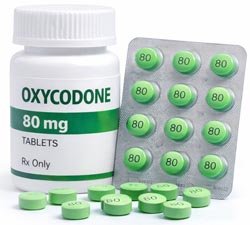
| Top High Quality Service |
| We Ship with Tracking Number |
| We make Discreet Service |
| Accepting |
| 30 days Full Guaranteed |
| Contact@Pill2Day.com |
| +1 (888) 925-9557 in business hours |
| 80mg$654 x 360 | |
| 80mg$454 x 180 | |
| 80mg$379 x 120 | |
| 80mg$329 x 90 |
Oxycodone for Pain Management: Clinical Overview, Safety, and Patient Information
Introduction to Oxycodone
Oxycodone is a semi-synthetic opioid analgesic derived from thebaine, a natural opioid alkaloid found in the opium poppy. It is FDA-approved for the management of pain severe enough to require an opioid analgesic and for which alternative treatments are inadequate. Available in both immediate-release and extended-release formulations, oxycodone is used across a wide spectrum of pain conditions, from post-operative pain to cancer-related pain.
As one of the most potent oral opioid analgesics available in the United States, oxycodone must be prescribed and used with exceptional care. All legitimate access to oxycodone requires a valid prescription from a DEA-licensed prescriber and dispensing through a licensed pharmacy.
Mechanism of Action
Oxycodone exerts its analgesic effects primarily through full agonist activity at mu-opioid receptors, with some activity at kappa and delta opioid receptors. Mu-opioid receptors are distributed throughout the central and peripheral nervous system, including the spinal cord, brainstem, and limbic system.
Activation of mu-opioid receptors reduces pain signal transmission by decreasing neurotransmitter release from presynaptic terminals, hyperpolarizing postsynaptic neurons, and activating descending inhibitory pain pathways. The result is a reduction in both the intensity of pain perception and the emotional response to pain.
Oxycodone is available as immediate-release tablets (5mg, 10mg, 15mg, 20mg, 30mg) and as controlled-release OxyContin formulations (10mg-80mg), as well as in combination products with acetaminophen (Percocet) or aspirin (Percodan).
Clinical Indications
Oxycodone is indicated for moderate to severe pain that requires around-the-clock opioid treatment and for which non-opioid analgesics or immediate-release opioids are inadequate. Clinical applications include:
- Severe post-operative pain
- Cancer pain requiring continuous opioid analgesia
- Severe chronic pain not amenable to less potent analgesics
- Trauma-related pain
- Pain associated with serious chronic conditions
The extended-release formulation (OxyContin) is specifically for patients requiring continuous, around-the-clock pain management for extended periods. It is not intended for as-needed dosing or for patients whose pain is not expected to persist.
Due to oxycodone's Schedule II classification and the serious risks associated with opioid therapy, it is reserved for patients in whom the benefits of opioid analgesia clearly outweigh the substantial risks and for whom all appropriate non-opioid and lower-risk opioid alternatives have been considered.
Risks, Overdose, and Opioid Safety
Oxycodone carries comprehensive risks that require full patient understanding before initiating therapy. Critical safety considerations include:
Respiratory Depression: The most serious acute risk — oxycodone can slow breathing to dangerous or fatal levels, particularly when combined with other CNS depressants (benzodiazepines, alcohol, muscle relaxants), taken in excessive doses, or used by opioid-naive individuals.
Dependence and Addiction: Physical dependence — requiring dose tapering upon discontinuation — is an expected pharmacological consequence of regular opioid use. Opioid use disorder (addiction) is a distinct condition characterized by compulsive use despite harm and represents a serious risk that must be assessed and monitored throughout therapy.
Overdose: Signs include extreme drowsiness, slow or stopped breathing, unresponsive state, and bluish skin. Naloxone (Narcan) is an opioid antagonist that reverses overdose and should be kept in households where oxycodone is present.
All patients initiating oxycodone should receive an opioid risk assessment, naloxone prescribing (for home use), and structured monitoring including urine drug screening and regular functional assessment.
Responsible Prescribing and Access
Oxycodone is a Schedule II controlled substance — the most restrictive schedule for medications with accepted medical use. This means prescriptions must be written on tamper-resistant prescription pads or transmitted via approved electronic systems, with no verbal or fax orders permitted. Each fill requires a new prescription; there are no refills.
The opioid prescribing landscape has evolved significantly with the introduction of CDC opioid prescribing guidelines. These guidelines recommend starting with the lowest effective dose, using the shortest duration appropriate for the pain condition, reassessing frequently, and considering urine drug testing.
Patients receiving oxycodone therapy should work closely with their prescribing physician, store the medication securely, use only as prescribed, never share their medication, and participate in prescription drug monitoring program (PDMP) oversight. Safe disposal of unused oxycodone through DEA take-back programs is strongly encouraged to prevent diversion.