
 +1 (888) 925-9557
Hydrocodone 10/325mg
Buy Online with Priority Mail Service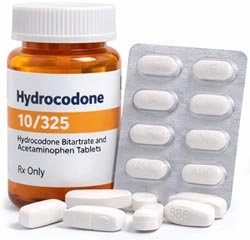
| Top High Quality Service |
| We Ship with Tracking Number |
| We make Discreet Service |
| Accepting |
| 30 days Full Guaranteed |
| Contact@Pill2Day.com |
| +1 (888) 925-9557 in business hours |
| 10/325mg$674 x 360 | |
| 10/325mg$574 x 180 | |
| 10/325mg$439 x 120 | |
| 10/325mg$389 x 90 |
Norco Hydrocodone Extended-Release: Clinical Guide to Pain Management and Patient Safety
Introduction to Hydrocodone
Hydrocodone is a semi-synthetic opioid analgesic derived from codeine, with a long history of clinical use in the United States for pain management and, historically, as a cough suppressant. It is available in immediate-release combination products (most commonly with acetaminophen as Vicodin, Norco, or Lortab) and as extended-release single-ingredient formulations (Zohydro ER, Hysingla ER).
Hydrocodone was rescheduled from Schedule III to Schedule II in 2014 in recognition of its significant misuse potential. As a Schedule II controlled substance, all hydrocodone products now require a non-refillable, written or electronic prescription from a DEA-licensed prescriber. Legitimate access to hydrocodone requires valid medical documentation and dispensing through a licensed pharmacy.
Mechanism of Action
Hydrocodone is a full mu-opioid receptor agonist, acting through the same central and peripheral pathways as other opioids. Its analgesic potency is approximately equivalent to morphine on a milligram-per-milligram basis.
Hydrocodone is metabolized hepatically by CYP2D6 to hydromorphone (Dilaudid), a more potent opioid, and by CYP3A4 to norhydrocodone, an inactive metabolite. CYP2D6 genetic variation creates meaningful inter-individual differences in the degree of hydromorphone conversion, which can affect both analgesic response and side effect intensity at standard doses.
CYP3A4 inhibitors (such as ketoconazole, clarithromycin, and ritonavir) reduce hydrocodone metabolism, increasing plasma levels and opioid effects. CYP3A4 inducers (rifampin, carbamazepine) accelerate metabolism, potentially reducing efficacy. These interactions must be managed carefully by the prescribing physician and dispensing pharmacist.
Extended-Release vs. Combination Products
The distinction between hydrocodone product types has important clinical implications:
Combination Products (Vicodin, Norco, Lortab): Contain hydrocodone with acetaminophen (or in older formulations, ibuprofen). The acetaminophen component creates a dose ceiling driven by hepatotoxicity risk, limiting total daily hydrocodone dosing. These are primarily used for moderate acute pain.
Extended-Release Single-Agent Products (Zohydro ER, Hysingla ER): Contain hydrocodone alone, allowing higher daily doses without acetaminophen-related ceiling effects. These are indicated for severe chronic pain requiring continuous around-the-clock opioid therapy in opioid-tolerant patients. The extended-release formulation must never be crushed, broken, or chewed — this destroys the controlled-release mechanism and results in rapid absorption of the entire dose, potentially causing fatal overdose.
The clinical selection between these product types depends on the severity and chronicity of pain, the patient's opioid experience, and the overall risk-benefit assessment made by the treating physician.
Opioid Risk Assessment and Monitoring
Before initiating hydrocodone therapy, a comprehensive opioid risk assessment is essential. This includes:
- Pain diagnosis and severity assessment
- Prior opioid use history and response
- Substance use disorder history (personal and family)
- Psychiatric history
- Social and functional status
- Urine drug screen at baseline
- PDMP check to identify prior controlled substance prescriptions
Patients at elevated risk for opioid use disorder require additional precautions, enhanced monitoring, or consideration of alternative pain management approaches.
During hydrocodone therapy, regular monitoring includes:
- Pain control and functional assessment
- Evaluation for signs of opioid use disorder
- Urine drug testing
- Blood pressure and respiratory function
- Assessment of constipation and other side effects
- PDMP checks at each prescribing visit in states where required
Naloxone should be co-prescribed for all patients on Schedule II opioid therapy to enable overdose reversal in emergency situations.
Overdose Prevention and Safe Storage
Hydrocodone overdose is a medical emergency. Symptoms include extreme drowsiness, slow or stopped breathing, unconsciousness, bluish skin color, and pinpoint pupils. If overdose is suspected, call emergency services immediately and administer naloxone if available.
Overdose risk is highest when:
- Hydrocodone is combined with benzodiazepines, alcohol, or other CNS depressants
- Doses are taken more frequently or in higher amounts than prescribed
- The medication is obtained or used by individuals who are not the patient
- Extended-release tablets are tampered with
Safe storage is a legal and ethical responsibility for all patients holding hydrocodone prescriptions. The medication should be stored in a locked container, away from children, and the supply should be regularly audited. Unused or expired hydrocodone should be disposed of through DEA-authorized drug take-back programs — many licensed pharmacies participate in these programs and can safely receive unused controlled substances for proper disposal.