
 +1 (888) 925-9557
Gabapentin 400mg, 600mg y 800mg
Buy Online with Priority Mail Service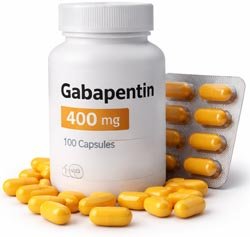
| Top High Quality Service |
| We Ship with Tracking Number |
| We make Discreet Service |
| Accepting |
| 30 days Full Guaranteed |
| Contact@Pill2Day.com |
| +1 (888) 925-9557 in business hours |
| 400mg$519 x 360 | |
| 400mg$444 x 180 | |
| 400mg$269 x 120 | |
| 400mg$239 x 90 |
| 600mg$539 x 360 | |
| 600mg$464 x 180 | |
| 600mg$279 x 120 | |
| 600mg$249 x 90 |
| 800mg$559 x 360 | |
| 800mg$474 x 180 | |
| 800mg$299 x 120 | |
| 800mg$269 x 90 |
Why Patients Choose to Buy Gabapentin Online
Gabapentin — sold under the brand names Neurontin, Gralise, and Horizant — is one of the most widely prescribed medications in the United States, with over 70 million prescriptions dispensed annually. Originally developed as an anticonvulsant, gabapentin has become a cornerstone pharmacological agent for neuropathic pain, seizure management, restless legs syndrome, and a broad range of off-label conditions including fibromyalgia, anxiety, and alcohol withdrawal. For patients managing chronic pain or neurological conditions who have received a valid gabapentin prescription from a licensed physician, the ability to buy gabapentin online legally through a certified, licensed pharmacy provides convenient, pharmaceutical-quality access to this clinically important medication.
Neuropathic pain — pain arising from damage or dysfunction in the nervous system rather than from active tissue injury — affects an estimated 7–10% of the general population globally and is among the most difficult chronic pain conditions to treat effectively. Burning, shooting, electrical, or tingling pain that is characteristically worse at night, profoundly disruptive to sleep, and poorly responsive to conventional analgesics like NSAIDs or acetaminophen represents an enormous burden of suffering for millions of patients. Gabapentin's mechanism specifically targets the neurological basis of this pain, providing relief that the broader analgesic pharmacopeia cannot match.
This comprehensive guide covers gabapentin's pharmacology, all FDA-approved and major off-label indications, available dosage strengths (100mg through 800mg), the critical drug interaction profile, special population considerations, and how patients can order gabapentin through legitimate, licensed pharmacy channels with confidence in pharmaceutical quality.
Pharmacology: How Gabapentin Modulates Neuropathic Pain
Gabapentin's mechanism of action is distinct from every other analgesic class and directly targets the neurobiological processes underlying neuropathic pain and seizure generation. Despite its name suggesting GABA-ergic activity, gabapentin does not bind to GABA-A or GABA-B receptors, does not inhibit GABA reuptake, and does not alter GABA metabolism. Its mechanism is instead centered on voltage-gated calcium channel modulation.
Alpha-2-Delta Subunit Binding: Gabapentin binds with high affinity to the alpha-2-delta (α2δ) auxiliary subunit of voltage-gated calcium channels — specifically the α2δ-1 and α2δ-2 subtypes expressed throughout the central and peripheral nervous system. This binding reduces calcium influx through these channels in neurons with high firing activity, dampening the release of excitatory neurotransmitters — glutamate, substance P, calcitonin gene-related peptide (CGRP), and norepinephrine — from presynaptic terminals. The net effect is a reduction in aberrant hyperexcitable neuronal firing that characterizes neuropathic pain states and epileptic activity.
Selective Activity in Hyperactive Neurons: Crucially, gabapentin preferentially affects neurons that are abnormally hyperactive — as in damaged or sensitized neuropathic pain circuits and epileptic foci — while having minimal effect on normal neuronal function. This selectivity is the basis for gabapentin's favorable tolerability profile compared to broad CNS depressants, and explains why it reduces neuropathic pain without producing the full analgesia that opioids provide for nociceptive pain.
Central Sensitization Reduction: In chronic neuropathic pain, repeated nociceptive barrage produces central sensitization — a state in which spinal cord pain processing neurons become progressively more excitable, amplifying pain signals and lowering pain thresholds. Gabapentin's calcium channel modulation in spinal dorsal horn neurons directly addresses this central sensitization, reducing the gain on the pain amplification circuit that makes neuropathic pain so severe and persistent.
Available strengths: Gabapentin is available in 100mg, 300mg, 400mg, 600mg, and 800mg oral capsules and tablets, as well as oral solution (250mg/5mL). The wide dosage range enables precise titration from low starting doses through therapeutic targets that may reach 1,800–3,600mg per day for some indications. Patients who buy gabapentin online with prescription through licensed pharmacies access all available strengths with pharmaceutical-grade quality assurance.
FDA-Approved Indications: Epilepsy, Neuropathic Pain, and Restless Legs
Gabapentin holds three distinct FDA approvals that reflect its mechanistic versatility across neurological and pain conditions:
Partial-Onset Seizures (Neurontin): Gabapentin is FDA-approved as adjunctive therapy for partial-onset seizures (with or without secondary generalization) in adults and children aged 3 years and older. As an add-on to existing antiepileptic therapy, gabapentin reduces seizure frequency in patients with partial epilepsy not fully controlled by first-line agents. Its favorable drug interaction profile — discussed below — makes it particularly valuable for patients already on multiple antiepileptic medications where adding CYP450-metabolized agents would create complex interaction risks.
Postherpetic Neuralgia (Neurontin): Gabapentin is FDA-approved for the management of postherpetic neuralgia (PHN) — the persistent neuropathic pain that follows herpes zoster (shingles) infection, affecting 10–15% of shingles patients and producing severe, burning, or stabbing pain that can persist for years. PHN is the most debilitating complication of shingles in elderly patients, and gabapentin's randomized controlled trial evidence for PHN is among the most robust in the neuropathic pain literature.
Restless Legs Syndrome (Horizant — gabapentin enacarbil): The extended-release gabapentin prodrug formulation (Horizant) is FDA-approved for moderate-to-severe primary restless legs syndrome — a neurological sensory-motor disorder producing uncomfortable leg sensations and irresistible urges to move the legs, primarily at rest and in the evening. Gabapentin enacarbil's more predictable absorption compared to standard gabapentin makes it better suited for this indication.
For patients who buy gabapentin online with prescription for any of these approved indications, consistent pharmaceutical-quality access through certified licensed pharmacies ensures reliable therapeutic outcomes.
Gabapentin Dosing: Titration Schedules and Therapeutic Ranges
Gabapentin dosing is distinguished from most analgesics and anticonvulsants by the requirement for gradual upward titration — starting at low doses and increasing over days to weeks to reach the therapeutic target. This titration approach minimizes the sedation, dizziness, and cognitive effects that are most pronounced at initiation and substantially reduce with dose adaptation.
Postherpetic Neuralgia (Neurontin):
Initiation: 300mg on Day 1, 300mg twice daily on Day 2, 300mg three times daily on Day 3. Titrate based on response and tolerability to a range of 1,800–3,600mg per day in three divided doses. Most patients achieve adequate PHN pain control at 1,800–3,600mg/day, though individual variation is significant.
Epilepsy (Adjunctive, Adults):
Initiation: 300mg three times daily. Effective range: 900–3,600mg per day in three divided doses. Some patients with refractory partial epilepsy may benefit from doses at or above the maximum studied range of 3,600mg/day under specialist supervision.
Neuropathic Pain (Off-Label Dosing):
The most commonly used titration schedule for off-label neuropathic pain starts at 100–300mg at bedtime and increases by 100–300mg every three to five days, targeting the minimum effective dose within the 900–3,600mg/day range. The bedtime-first approach leverages gabapentin's sedative properties to improve sleep — a critical outcome for neuropathic pain patients whose sleep is profoundly disrupted by nocturnal pain.
Three-Times-Daily Dosing Requirement: Standard gabapentin (immediate-release) has a half-life of 5–7 hours and requires three-times-daily dosing for consistent plasma concentrations and pain control. Gaps between doses longer than 12 hours can produce breakthrough pain and should be avoided. Patients who order gabapentin for chronic neuropathic pain should establish a consistent dosing schedule — the same times daily — to maintain stable therapeutic levels.
Dose ceiling with diminishing returns: Gabapentin's absorption is carrier-mediated (via intestinal amino acid transporters) and saturable — the fraction of the dose absorbed decreases as the dose increases. At 300mg, approximately 60% is absorbed; at 1,600mg single dose, absorption falls to approximately 35%. This nonlinear absorption means that dose increases above approximately 3,600mg per day produce diminishing analgesic returns and increased side effect burden.
Safety Profile and Side Effect Management
Gabapentin's calcium channel modulating mechanism produces a predictable, generally manageable adverse effect profile that differs substantially from both opioid analgesics and classical CNS depressants. Understanding these effects enables proactive management that maximizes therapeutic benefit while minimizing functional impact.
Dizziness and Ataxia: The most commonly reported adverse effects — dose-dependent and most pronounced during initiation and dose escalation. Gradual titration dramatically reduces dizziness severity compared to rapid dose escalation. Most patients develop functional tolerance to dizziness within one to two weeks of stable dosing. Practical management: initiate at bedtime doses and increase daytime doses after the bedtime dose is tolerated. Avoid driving during initiation and dose escalation periods.
Sedation and Fatigue: CNS depression producing drowsiness and reduced energy — most prominent in the first weeks of therapy and after dose increases. Therapeutic strategies: the bedtime-first dose approach uses gabapentin's sedative properties constructively for sleep improvement; morning doses can be delayed or reduced initially while evening doses are established. Most patients develop substantial tolerance to sedation within two to four weeks.
Peripheral Edema: Ankle and lower extremity fluid accumulation occurs in approximately 8% of patients, independent of cardiovascular causes. Dose reduction is often effective; salt restriction and leg elevation provide symptomatic management. For patients with pre-existing heart failure or renal disease, gabapentin-associated edema requires more careful monitoring.
Cognitive Effects: Mild word-finding difficulty, concentration impairment, and memory effects — generally less severe than with benzodiazepines and typically improving with time. Dose reduction is effective for persistent cognitive effects.
Weight Gain: Modest weight gain is documented with long-term gabapentin use — mechanism unclear but possibly related to increased appetite and reduced physical activity from sedation. Dietary attention and physical activity maintenance are appropriate management strategies.
Respiratory Depression Risk (2019 FDA Warning): In 2019, the FDA added a safety warning regarding gabapentin's potential to cause serious respiratory depression, particularly when combined with CNS depressants (opioids, benzodiazepines, alcohol) or in patients with respiratory impairment. Patients with COPD, sleep apnea, or other respiratory compromise, and those on concurrent CNS depressant medications, require careful monitoring. This risk is substantially lower than with opioids at therapeutic gabapentin doses in otherwise healthy patients but is not negligible in the specified risk populations.
For patients who order gabapentin online legally through certified pharmacies, pharmacist consultation at dispensing provides adverse effect counseling and risk assessment for individual patient profiles.
Affordable Access: Cheap Gabapentin With Prescription Through Licensed Pharmacies
One of gabapentin's most clinically significant characteristics from a healthcare access perspective is its extraordinary affordability. Generic gabapentin has been available for over two decades — since Neurontin's patent expiration in 2004 — and the highly competitive generic manufacturing market has driven prices to levels that make this important neurological medication accessible to virtually all patients.
Through free prescription discount platforms — GoodRx, RxSaver, Blink Health — cheap gabapentin with prescription is accessible to uninsured patients at prices that represent genuine affordability for a chronic medication. Insurance coverage is near-universal: generic gabapentin is covered at Tier 1 formulary placement across virtually all commercial plans, Medicare Part D formularies, and state Medicaid programs, with minimal or no prior authorization requirements for approved indications.
For patients who choose to buy gabapentin online through certified pharmacy platforms, competitive pricing combined with home delivery convenience makes consistent medication access straightforward. Certified online pharmacies with VIPPS certification from the National Association of Boards of Pharmacy (verifiable at nabp.pharmacy) provide pharmaceutical-grade generic gabapentin at pricing comparable to or below local pharmacy cash-pay rates, with the added benefit of home delivery that eliminates travel barriers for patients with limited mobility from the pain or neurological conditions for which gabapentin is prescribed.